
ANNOUNCEMENT — Use this section to include scrolling announcement text
Blog posts
The Complete Daily Dog Care Checklist (From a Professional Dog Keeper)
By Earl Hamilton, Professional Dog Keeper
After years of caring for dogs professionally, I've developed a simple daily routine that covers all the essentials. This checklist ensures you never forget the important things that keep your dog healthy, happy, and bonded to you.
Print this out and put it on your fridge. Check off each item daily. Your dog will thank you!
🌅 MORNING ROUTINE (15-30 minutes)
☐ Fresh, Clean Water
What to do:
- Dump yesterday's water completely
- Wash bowl with soap and hot water
- Rinse thoroughly
- Fill with fresh, clean water
Why it matters: Clean water prevents bacterial infections and ensures proper hydration. Dogs won't drink dirty water.
Pro tip: Do this FIRST thing every morning - make it as automatic as making your coffee.
☐ Fresh Food in Clean Bowl
What to do:
- Wash food bowl from yesterday
- Measure appropriate portion for your dog's size/age
- Serve in clean bowl
- Remove uneaten food after 20-30 minutes
Why it matters: Fresh food in clean bowls prevents digestive issues and maintains nutritional value. Free-feeding leads to obesity and picky eating.
Pro tip: Feed at the same time every day - dogs thrive on routine.
☐ Morning Potty Break
What to do:
- Take dog outside immediately after waking
- Give them 5-10 minutes to do their business
- Praise when they go
- Clean up waste properly
Why it matters: Prevents accidents, establishes routine, gives you chance to monitor bathroom habits (health indicator).
Pro tip: Always go to the same spot - scent helps trigger bathroom behavior.
☐ Morning Exercise (15-30 minutes minimum)
What to do:
- Walk, play fetch, or use automatic ball launcher
- Adjust duration based on breed and energy level
- High-energy dogs: 30-45 minutes
- Medium-energy: 20-30 minutes
- Lower-energy: 15-20 minutes
Why it matters: Morning exercise prevents boredom behaviors (tail biting, chewing, barking), maintains healthy weight, provides mental stimulation.
Pro tip: Exercise BEFORE you leave for work - a tired dog is a well-behaved dog.
☐ Quick Health Check
What to look for:
- Energy level normal?
- Ate breakfast normally?
- Bathroom habits normal?
- Any limping or discomfort?
- Eyes clear and bright?
- Any unusual scratching or licking?
Why it matters: Early detection of health issues. Small problems caught early don't become big problems.
Pro tip: Takes 30 seconds. Just observe while they eat and during morning walk.
☀️ MIDDAY ROUTINE (10-15 minutes)
☐ Check Water Level
What to do:
- Make sure water bowl still has clean water
- Top off if needed (or dump and refill if dirty)
- Check outdoor water if you have one
Why it matters: Dogs drink throughout the day. Empty bowl = dehydration.
Pro tip: If you work from home, refresh water at lunch. If not, ensure bowl is large enough for all-day access.
☐ Midday Potty Break (if possible)
What to do:
- Quick 5-10 minute bathroom break
- Praise and treat
- Back inside
Why it matters: Prevents accidents, provides relief, breaks up long alone time.
Pro tip: If you can't come home, consider dog walker or neighbor help for long days.
☐ Quick Play or Interaction (5-10 minutes)
What to do:
- Brief play session
- Training practice (sit, stay, tricks)
- Puzzle toy or treat dispenser
- Or 10 minutes with automatic ball launcher
Why it matters: Breaks up boredom, provides mental stimulation, prevents destructive behavior.
Pro tip: Even 5 minutes makes a difference for anxious or high-energy dogs.
🌆 EVENING ROUTINE (45-60 minutes)
☐ Wash and Refill Water Bowl
What to do:
- Dump old water
- Wash bowl thoroughly
- Rinse well
- Fill with fresh water
Why it matters: Evening refresh ensures clean water overnight. Removes day's buildup of saliva and debris.
Pro tip: Do this while preparing your own dinner - make it part of your routine.
☐ Evening Meal in Clean Bowl
What to do:
- Wash food bowl
- Measure evening portion
- Serve at same time daily
- Remove uneaten food after 20-30 minutes
Why it matters: Consistent feeding times aid digestion, prevent obesity, establish routine.
Pro tip: Feed 3-4 hours before bedtime to allow for digestion and final potty break.
☐ Evening Exercise (30-45 minutes)
What to do:
- Longer walk or play session
- This is your main bonding time
- Mix activities: walk, fetch, training, play
- Adjust based on morning exercise
Why it matters: Burns remaining energy, prevents nighttime restlessness, quality bonding time, maintains fitness.
Pro tip: Make this YOUR stress relief too - walk without phone, be present with your dog.
☐ Grooming Time (5-10 minutes)
What to do:
- Brush coat (daily for long-haired, 3x/week for short-haired)
- Check ears for dirt or odor
- Wipe paws if dirty
- Check for any lumps, bumps, or issues
Why it matters: Prevents matting, distributes oils, bonding time, early health detection, keeps home cleaner.
Pro tip: Make this a calm, relaxing ritual. Your dog will look forward to it.
☐ Mental Stimulation (10-15 minutes)
What to do:
- Training session (teach new trick or practice commands)
- Puzzle toy or treat game
- Hide and seek
- Scent work
Why it matters: Mental exercise is as important as physical. Prevents boredom, strengthens bond, keeps mind sharp.
Pro tip: Rotate activities to keep it interesting. Monday = training, Tuesday = puzzle, etc.
☐ Wind-Down Time (15-20 minutes)
What to do:
- Calm activities after exercise
- Gentle petting or massage
- Quiet time together
- Let dog settle before bed
Why it matters: Helps transition from active to sleep mode. Prevents nighttime restlessness.
Pro tip: This is YOUR wind-down time too. Relax together.
🌙 BEDTIME ROUTINE (10-15 minutes)
☐ Final Potty Break
What to do:
- Last bathroom trip of the night
- Keep it brief and calm
- No exciting play
- Praise when they go
Why it matters: Prevents nighttime accidents, ensures comfortable sleep.
Pro tip: Same time every night. Dogs will learn to "go on command" before bed.
☐ Check Water is Clean and Full
What to do:
- Quick check that water bowl is clean
- Top off if needed
- Ensure accessible overnight
Why it matters: Dogs may drink during night, especially after exercise or in warm weather.
☐ Comfortable Sleeping Area
What to do:
- Ensure bed is clean and comfortable
- Favorite toy or blanket available
- Calm, quiet sleeping area
- Consistent location every night
Why it matters: Quality sleep is essential for health. Routine sleeping spot provides security.
Pro tip: Use calming bed with raised edges for anxious dogs - provides sense of security.
☐ Remove Uneaten Food
What to do:
- Pick up any food left from dinner
- Don't leave food out overnight
- Prevents pests and spoilage
Why it matters: Food safety, pest prevention, maintains feeding schedule.
📅 WEEKLY TASKS (Add to Daily Routine)
Once or Twice Weekly:
☐ Deep clean water and food bowls - Dishwasher or thorough scrub
☐ Wash bedding - Keep sleeping area fresh
☐ Clean toys - Wash or wipe down regularly used toys
☐ Trim nails - If you hear clicking on floor, they're too long
☐ Brush teeth - Daily is ideal, 3x/week minimum
☐ Check collar/harness fit - Ensure not too tight or loose
🗓️ MONTHLY TASKS
☐ Bath time - Every 4-6 weeks (bonding + health)
☐ Deep ear cleaning - Check for infection, clean gently
☐ Flea/tick prevention - Apply monthly treatment
☐ Weight check - Monitor for changes
☐ Inspect paws - Check pads for cracks, trim paw hair
☐ Review food supply - Check expiration, restock if needed
📋 PRINTABLE DAILY CHECKLIST
Morning (15-30 min):
☐ Fresh water in clean bowl
☐ Fresh food in clean bowl
☐ Morning potty break
☐ 15-30 min exercise
☐ Quick health check
Midday (10-15 min):
☐ Check/refresh water
☐ Potty break (if possible)
☐ Quick play/interaction
Evening (45-60 min):
☐ Wash and refill water
☐ Evening meal in clean bowl
☐ 30-45 min exercise
☐ 5-10 min grooming
☐ 10-15 min mental stimulation
☐ 15-20 min wind-down
Bedtime (10-15 min):
☐ Final potty break
☐ Check water
☐ Comfortable sleeping area
☐ Remove uneaten food
⏱️ TIME BREAKDOWN
Minimum Daily Time Commitment:
- Morning: 15-30 minutes
- Midday: 10-15 minutes (if home)
- Evening: 45-60 minutes
- Bedtime: 10-15 minutes
Total: 80-120 minutes (1.5-2 hours) daily
This includes: Feeding, exercise, grooming, bonding, training, care
Worth it? Absolutely. This routine gives you a healthy, happy, well-behaved dog and a strong bond that lasts a lifetime.
💡 PRO TIPS FROM A DOG KEEPER
1. Consistency is Key
Do things at the same time every day. Dogs thrive on routine. Your dog will learn the schedule and be calmer, better behaved.
2. Make it Automatic
Link dog care to your own routines:
- Make coffee = wash dog's water bowl
- Your breakfast = dog's breakfast
- Your dinner prep = dog's evening meal
- Your bedtime routine = dog's bedtime routine
3. Quality Over Quantity
15 minutes of focused, engaged play is better than 30 minutes of distracted, phone-in-hand walking.
4. Observe and Adjust
Every dog is different. Adjust this checklist based on:
- Your dog's age, breed, energy level
- Your schedule and lifestyle
- Season and weather
- Your dog's individual needs
5. Don't Skip the Basics
When life gets busy, it's tempting to skip things. Don't skip:
- Clean water (non-negotiable)
- Fresh food (non-negotiable)
- Potty breaks (non-negotiable)
- Minimum exercise (at least 20 min)
6. Use Tools to Help
- Automatic ball launcher - Provides exercise when you're busy
- Puzzle feeders - Mental stimulation during meals
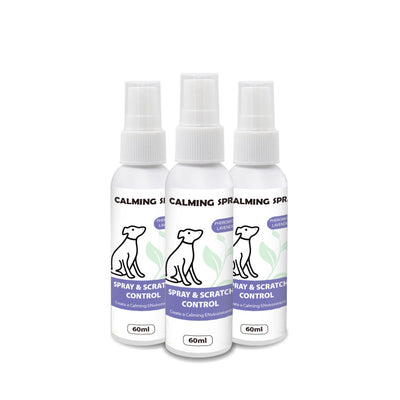
- Calming products - For anxious dogs during alone time
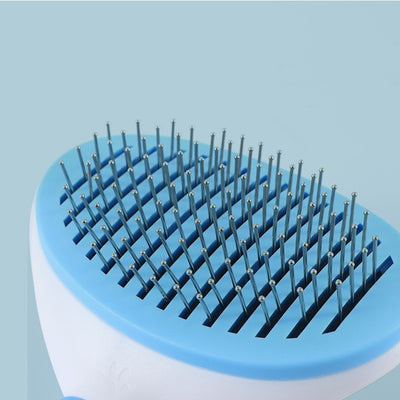
- Quality grooming tools - Makes care easier and more effective
🚨 Warning Signs to Watch For
While doing your daily routine, watch for these red flags:
See vet if you notice:
- ❌ Sudden loss of appetite (skips 2+ meals)
- ❌ Excessive thirst or urination
- ❌ Lethargy or unusual tiredness
- ❌ Vomiting or diarrhea (especially if repeated)
- ❌ Limping or difficulty moving
- ❌ Excessive scratching or skin issues
- ❌ Changes in bathroom habits
- ❌ Unusual lumps or bumps
- ❌ Bad breath or dental issues
- ❌ Behavioral changes (aggression, anxiety, confusion)
Your daily routine helps you catch these early!
The Bottom Line
As a professional dog keeper, I can tell you: consistency in daily care is the foundation of a healthy, happy dog.
This checklist might seem like a lot at first, but within a week or two, it becomes automatic. You'll move through it without thinking, and your dog will thrive.
The investment: 1.5-2 hours daily
The return: A healthy, well-behaved, bonded companion for 10-15+ years
That's a pretty good deal.
Print this checklist. Put it on your fridge. Check off each item daily for the first month until it becomes habit.
Your dog is counting on you for these basics. Don't let them down.
📥 Download & Print: Right-click and save this page, or copy the checklist section above to create your own printable version.
About the Author: Earl Hamilton is a professional dog keeper who has developed this routine through years of hands-on experience caring for dogs. He founded Fairval to share practical wisdom that helps dogs live healthier, happier lives.
Questions about your dog care routine? Email Earl at support@healthydoglifestyl.com
Shop products that support your daily routine: Browse Fairval's collection
The Hidden Benefit of Regular Dog Baths: Building a Stronger Bond
By Earl Hamilton, Professional Dog Keeper
Most dog owners think of bath time as just a chore - a necessary task to keep their dog clean. But as a professional dog keeper, I've learned something important:
Regular baths do more than keep your dog's fur clean and healthy - they build a powerful bond between you and your dog.
Let me explain why this simple routine is one of the best things you can do for your relationship with your dog.
Why Regular Baths Build Bonding
When you bathe your dog regularly, something special happens. It's not just about the physical act of cleaning - it's about trust, touch, and time together.
1. Trust Through Touch
Bathing requires your dog to trust you completely. They're vulnerable - wet, in an unfamiliar situation, sometimes uncomfortable. When you handle them gently and calmly during bath time, you're building trust.
What I've observed: Dogs who receive regular, gentle baths from their owners show:
- More willingness to be handled
- Less anxiety during vet visits
- Better tolerance for grooming
- Stronger attachment to their owner
- More relaxed body language around their person
2. Quality Time Together
In our busy lives, we often interact with our dogs in passing - quick pets, rushed walks, distracted play. Bath time forces you to slow down and focus entirely on your dog for 20-30 minutes.
This undivided attention:
- Shows your dog they're important to you
- Creates a predictable routine they can count on
- Provides one-on-one bonding time
- Strengthens your connection
3. Positive Physical Contact
The act of bathing involves extensive touching - massaging shampoo into their coat, rinsing, drying. This physical contact releases oxytocin (the "bonding hormone") in both you and your dog.
Benefits of this contact:
- Reduces stress for both of you
- Increases feelings of attachment
- Calms anxious dogs
- Strengthens your bond
4. Communication and Understanding
Regular baths teach you to read your dog's body language and comfort levels. You learn what they like, what they tolerate, and what stresses them. This understanding carries over into all aspects of your relationship.
The Health Benefits: Clean, Healthy Fur
Beyond bonding, regular baths keep your dog's coat and skin healthy.
What Regular Bathing Does:
For the Coat:
- Removes dirt, debris, and allergens
- Distributes natural oils evenly
- Prevents matting and tangles
- Keeps fur soft and shiny
- Reduces shedding
- Eliminates odors
For the Skin:
- Removes dead skin cells
- Prevents bacterial buildup
- Reduces risk of skin infections
- Allows you to spot issues early (lumps, rashes, parasites)
- Soothes itchy, irritated skin
- Maintains healthy pH balance
For Overall Health:
- Removes allergens that cause itching
- Prevents hot spots and skin problems
- Reduces flea and tick infestations
- Keeps ears cleaner (less infections)
- Improves comfort and quality of life
How Often Should You Bathe Your Dog?
As a professional dog keeper, here's what I recommend:
General Guidelines:
Most Dogs: Every 4-6 weeks
Active/Outdoor Dogs: Every 2-4 weeks
Dogs with Skin Conditions: As directed by vet (sometimes weekly)
Dogs with Oily Coats: Every 2-3 weeks
Dogs with Dry Skin: Every 6-8 weeks
Factors That Affect Frequency:
- Breed: Some breeds need more frequent baths
- Coat type: Long, thick coats need more attention
- Activity level: Active dogs get dirtier faster
- Environment: City dogs vs. country dogs
- Skin conditions: May require special schedules
- Season: More baths in muddy spring, less in dry winter
Signs Your Dog Needs a Bath:
- Visible dirt or mud on coat
- Unpleasant odor
- Greasy or oily fur
- Excessive scratching
- Dull, lifeless coat
- You can't remember the last bath!
How to Make Bath Time a Bonding Experience
Here's my professional routine for turning bath time into quality bonding time:
Before the Bath:
1. Create a Calm Environment
- Speak in soft, reassuring tones
- Move slowly and deliberately
- Have everything ready before bringing dog in
- Play calming music if it helps
2. Brush First
- Remove tangles and loose fur
- This is bonding time too!
- Makes bathing easier
- Your dog associates grooming with positive attention
3. Use Positive Reinforcement
- Treats before, during, and after
- Praise and encouragement
- Make it a positive experience
- Never punish or scold during bath time
During the Bath:
1. Start Slowly
- Wet paws first, then work up
- Test water temperature on your wrist
- Use lukewarm water (not hot or cold)
- Avoid spraying face directly
2. Massage, Don't Rush
- Work shampoo in with gentle massage
- This feels good to your dog
- Releases tension
- Builds positive associations
- Talk to your dog throughout
3. Be Thorough But Gentle
- Rinse completely (leftover shampoo causes irritation)
- Clean ears carefully
- Wipe face with damp cloth
- Check paws and nails
4. Stay Calm
- Your energy affects your dog
- If you're stressed, they're stressed
- Keep movements smooth and predictable
- Reassure with voice and touch
After the Bath:
1. Towel Dry Gently
- Pat, don't rub vigorously
- Make it a game if dog enjoys it
- Use multiple towels if needed
- Praise throughout
2. Blow Dry (If Tolerated)
- Use low heat setting
- Keep dryer moving
- Watch for signs of stress
- Some dogs prefer air drying
3. Reward Heavily
- Special treat after bath
- Playtime or cuddles
- Positive reinforcement
- End on a happy note
4. Brush Again
- Prevents tangles as coat dries
- More bonding time
- Distributes natural oils
- Leaves coat beautiful
Common Bath Time Mistakes
As a dog keeper, these are the mistakes I see that damage the bonding potential of bath time:
❌ Mistake #1: Bathing Too Infrequently
Waiting months between baths means:
- Dog forgets the routine
- Each bath is stressful (unfamiliar)
- Coat gets too dirty (harder to clean)
- Missed bonding opportunities
Fix: Regular schedule (every 4-6 weeks minimum)
❌ Mistake #2: Rushing Through It
Treating bath time as a chore to get through quickly:
- Stresses your dog
- Misses bonding opportunity
- Creates negative associations
- Results in poor cleaning
Fix: Set aside 30-45 minutes, stay calm and present
❌ Mistake #3: Using Wrong Products
Human shampoo or harsh products:
- Irritates skin
- Strips natural oils
- Causes dryness and itching
- Makes dog uncomfortable
Fix: Use dog-specific, gentle shampoo
❌ Mistake #4: Forcing a Scared Dog
Physically forcing a terrified dog into the tub:
- Damages trust
- Creates fear and anxiety
- Makes future baths harder
- Can lead to aggression
Fix: Gradual desensitization, positive reinforcement, patience
❌ Mistake #5: Inconsistent Routine
Random, unpredictable bath times:
- Dog can't anticipate or prepare
- Increases anxiety
- Prevents routine bonding
- Misses health monitoring
Fix: Set regular schedule (same day/time if possible)
For Dogs Who Hate Baths
Some dogs are genuinely afraid of baths. Here's how to build positive associations:
Gradual Desensitization:
Week 1:
- Let dog explore empty tub
- Treats and praise near tub
- No water yet
Week 2:
- Dog in tub, no water
- Treats and play
- Get out, more treats
Week 3:
- Wet paws only
- Lots of treats
- Keep sessions short
Week 4:
- Wet legs, then body
- No shampoo yet
- Positive reinforcement
Week 5+:
- Introduce shampoo gradually
- Keep first real baths very short
- Build up duration over time
Alternative Options:
- Professional groomer: If dog is too stressed at home
- Outdoor bathing: Some dogs prefer being outside
- Waterless shampoo: For between baths or very anxious dogs
- Grooming wipes: Quick cleanups between baths
The Long-Term Benefits
When you commit to regular bathing as a bonding ritual, you'll notice:
After 1 Month:
- Dog anticipates bath time
- Less resistance
- Cleaner, healthier coat
- You're more comfortable with the routine
After 3 Months:
- Bath time is part of your bond
- Dog may even enjoy it
- Coat is noticeably healthier
- You've caught any skin issues early
After 6+ Months:
- Strong routine established
- Deep trust built
- Beautiful, healthy coat
- Special bonding ritual you both value
Beyond the Bath: Other Grooming Bonding
Bath time is just one grooming activity that builds bonds. Also try:
- Daily brushing: 5-10 minutes of connection
- Nail trimming: Builds trust and handling tolerance
- Ear cleaning: Health care + bonding
- Teeth brushing: Daily ritual together
- Paw care: Gentle touch and attention
All of these require trust, touch, and time - the foundations of bonding.
The Bottom Line
As a professional dog keeper, I've seen countless dogs transform through regular, gentle bathing routines. What starts as a necessary chore becomes a cherished ritual.
Regular baths give you:
- ✅ A stronger bond with your dog
- ✅ Clean, healthy fur and skin
- ✅ Early detection of health issues
- ✅ Quality one-on-one time
- ✅ A calmer, more trusting dog
- ✅ A beautiful coat you're proud of
The investment is small - 30 minutes every few weeks.
The return is huge - a lifetime of deeper connection with your best friend.
Start today. Make bath time about more than just getting clean. Make it about building the bond that makes dog ownership so rewarding.
Your dog will thank you - with trust, affection, and a shiny, healthy coat.
About the Author: Earl Hamilton is a professional dog keeper who has bathed hundreds of dogs throughout his career. He founded Fairval to share practical wisdom that strengthens the bond between dogs and their owners.
Questions about grooming or bonding with your dog? Email Earl at support@healthydoglifestyl.com
Shop grooming and care products: Browse our collection
The Simple Secret to Helping Your Dog Live Longer: A Professional Dog Keeper's Advice
By Earl Hamilton, Professional Dog Keeper
After years of caring for dogs professionally, I've learned that longevity isn't complicated. While genetics play a role, there's one simple truth I share with every dog owner:
If you want your dog to live longer, give them clean water and fresh food every day.
It sounds basic, but you'd be surprised how often this fundamental care gets overlooked. Let me explain why these simple habits matter so much - and how to do them right.
Why Clean Water Matters
Water is essential for every function in your dog's body. As a dog keeper, I've seen the difference proper hydration makes in a dog's health, energy, and longevity.
What Clean Water Does:
- Regulates body temperature - Especially important for active dogs
- Aids digestion - Helps process food and absorb nutrients
- Flushes toxins - Kidneys need water to filter waste
- Lubricates joints - Prevents arthritis and mobility issues
- Supports organ function - Heart, liver, kidneys all depend on hydration
- Maintains healthy skin and coat - Dehydration shows in dull fur
The "Clean" Part is Critical
It's not just about having water available - it needs to be CLEAN.
What I see in dirty water bowls:
- Bacteria buildup (can cause illness)
- Algae growth (especially in outdoor bowls)
- Food particles (contaminate water)
- Dust and debris
- Slobber and saliva (breeding ground for germs)
Dogs won't drink dirty water - and if they do, it can make them sick.
My Professional Water Routine:
Daily (Minimum):
- Dump old water completely
- Rinse bowl with hot water
- Scrub with dish soap
- Rinse thoroughly
- Refill with fresh, clean water
Twice Daily (Better):
- Morning: Fresh water
- Evening: Wash bowl and refill
Multiple Times Daily (Best):
- Refresh water every 4-6 hours
- Especially important in hot weather
- After exercise or play
Water Bowl Tips:
- ✅ Stainless steel bowls - Easiest to clean, don't harbor bacteria
- ✅ Ceramic bowls - Heavy (won't tip), easy to clean
- ⚠️ Plastic bowls - Can scratch and harbor bacteria, replace regularly
- ✅ Multiple water stations - Indoors and outdoors
- ✅ Size matters - Large dogs need large bowls
How Much Water?
General rule: 1 ounce of water per pound of body weight daily
- 20 lb dog = 20 oz (2.5 cups) daily
- 50 lb dog = 50 oz (6+ cups) daily
- 80 lb dog = 80 oz (10 cups) daily
More needed if:
- Hot weather
- After exercise
- Eating dry food (vs wet)
- Nursing mothers
- Certain medications
Why Fresh Food Matters
Just like water, the quality and freshness of your dog's food directly impacts their health and lifespan.
What "Fresh" Means:
For Dry Food (Kibble):
- Not expired or stale
- Stored properly (sealed container)
- Free from moisture, mold, or pests
- Served in clean bowl
- Not left out for extended periods
For Wet Food:
- Unopened until use
- Refrigerated after opening
- Used within 2-3 days
- Brought to room temperature before serving
- Leftovers discarded after 1-2 hours
The Daily Fresh Food Routine:
Morning Feeding:
- Wash food bowl from previous day
- Measure appropriate portion
- Serve in clean bowl
- Remove uneaten food after 20-30 minutes
Evening Feeding:
- Wash bowl again
- Fresh portion in clean bowl
- Remove leftovers before bed
Why remove uneaten food?
- Prevents spoilage
- Discourages picky eating
- Keeps pests away
- Maintains food freshness
- Helps monitor appetite (health indicator)
Food Storage Matters:
Dry Food:
- Store in airtight container
- Keep in cool, dry place
- Use within 6 weeks of opening bag
- Check expiration dates
- Don't mix old and new food
Wet Food:
- Refrigerate opened cans immediately
- Cover with lid or plastic wrap
- Use within 2-3 days
- Discard if smells off
Signs of Stale or Bad Food:
- ❌ Rancid smell
- ❌ Visible mold or discoloration
- ❌ Pests or insects
- ❌ Moisture in dry food
- ❌ Past expiration date
- ❌ Dog refuses to eat it
The Longevity Connection
As a professional dog keeper, I've observed that dogs with consistent access to clean water and fresh food:
Live Longer Because:
- Better organ function - Kidneys, liver, heart stay healthy
- Stronger immune system - Proper nutrition fights disease
- Healthy weight - Portion control and quality food prevent obesity
- More energy - Good nutrition = active lifestyle
- Better digestion - Fresh food, clean water = healthy gut
- Fewer illnesses - Clean bowls prevent bacterial infections
What I've Seen:
Dogs with proper daily care routinely live:
- At or above breed average lifespan
- With better quality of life in senior years
- With fewer vet visits for preventable issues
- With more energy and vitality
Dogs with inconsistent care often experience:
- Chronic dehydration issues
- Digestive problems
- Urinary tract infections
- Kidney disease (from poor hydration)
- Obesity (from free-feeding stale food)
- Shorter lifespans
Beyond Water and Food: Other Daily Essentials
While clean water and fresh food are foundational, here are other daily habits that support longevity:
1. Daily Exercise
- Maintains healthy weight
- Strengthens heart and muscles
- Provides mental stimulation
- Reduces anxiety and destructive behaviors
2. Mental Stimulation
- Training sessions
- Puzzle toys
- Interactive play
- New experiences
3. Dental Care
- Daily teeth brushing (ideal)
- Dental chews
- Regular vet dental checkups
- Prevents heart disease from bacteria
4. Grooming
- Regular brushing
- Nail trims
- Ear cleaning
- Skin checks for lumps or issues
5. Routine Vet Care
- Annual checkups
- Vaccinations
- Parasite prevention
- Early detection of issues
Creating Your Daily Routine
Here's the simple daily routine I recommend for longevity:
Morning:
- ☐ Fresh, clean water
- ☐ Measured portion of fresh food in clean bowl
- ☐ 15-30 minute walk or exercise
- ☐ Quick health check (energy, appetite, bathroom habits)
Midday (if possible):
- ☐ Check water level, refresh if needed
- ☐ Quick potty break
- ☐ Brief play or interaction
Evening:
- ☐ Wash and refill water bowl
- ☐ Fresh food in clean bowl
- ☐ 30-45 minute walk or play
- ☐ Grooming or bonding time
- ☐ Final potty break
Before Bed:
- ☐ Remove uneaten food
- ☐ Check water is clean and full
- ☐ Comfortable sleeping area
Common Mistakes I See
As a dog keeper, these are the most common errors that shorten dogs' lives:
❌ Mistake #1: "Topping Off" Water
Adding fresh water to old water doesn't make it clean. Bacteria from the old water contaminates the new water.
Fix: Dump, wash, refill daily (minimum).
❌ Mistake #2: Free-Feeding
Leaving food out all day leads to:
- Stale food
- Overeating and obesity
- Picky eating
- Can't monitor appetite (health indicator)
Fix: Scheduled meals, remove after 20-30 minutes.
❌ Mistake #3: Dirty Bowls
"The dog licks it clean" - No. Saliva and bacteria build up.
Fix: Wash bowls daily with soap and hot water.
❌ Mistake #4: Outdoor-Only Water
Outdoor bowls get dirty faster (leaves, bugs, algae).
Fix: Water stations indoors AND outdoors, check/clean frequently.
❌ Mistake #5: Ignoring Expiration Dates
Old food loses nutritional value and can make dogs sick.
Fix: Check dates, rotate stock, use within recommended timeframe.
Signs Your Dog Needs Better Hydration/Nutrition
Dehydration Signs:
- Dry, sticky gums
- Loss of skin elasticity
- Sunken eyes
- Lethargy
- Dark urine
Poor Nutrition Signs:
- Dull, dry coat
- Low energy
- Weight loss or gain
- Digestive issues
- Frequent illness
If you see these signs, consult your vet immediately.
The Bottom Line
After years as a professional dog keeper, I can tell you with certainty:
The simple act of providing clean water and fresh food every single day is one of the most powerful things you can do for your dog's longevity.
It's not expensive. It's not complicated. It just requires consistency and care.
Your dog depends on you for these basics. Make it a non-negotiable part of your daily routine, and you'll likely enjoy many more years with your furry friend.
A few minutes of daily care = years of extra life together.
That's a trade worth making.
About the Author: Earl Hamilton is a professional dog keeper with extensive experience in canine care and wellness. He founded Fairval to help dog owners provide the best possible care for their pets.
Questions about your dog's health or care routine? Email Earl at support@healthydoglifestyl.com
Shop wellness products for your dog: Browse our collection